Case study
Central Africa → EU — buyer-side diligence for Handymax-scale biomass exports
On-the-ground verification of a Central African biomass export pathway for a European industrial end-user, covering supplier qualification, residue specification, legality, sustainability, EUDR due diligence, GHG/LCA, port handling, vessel-loading practicality and supply-contract negotiation.
Challenge
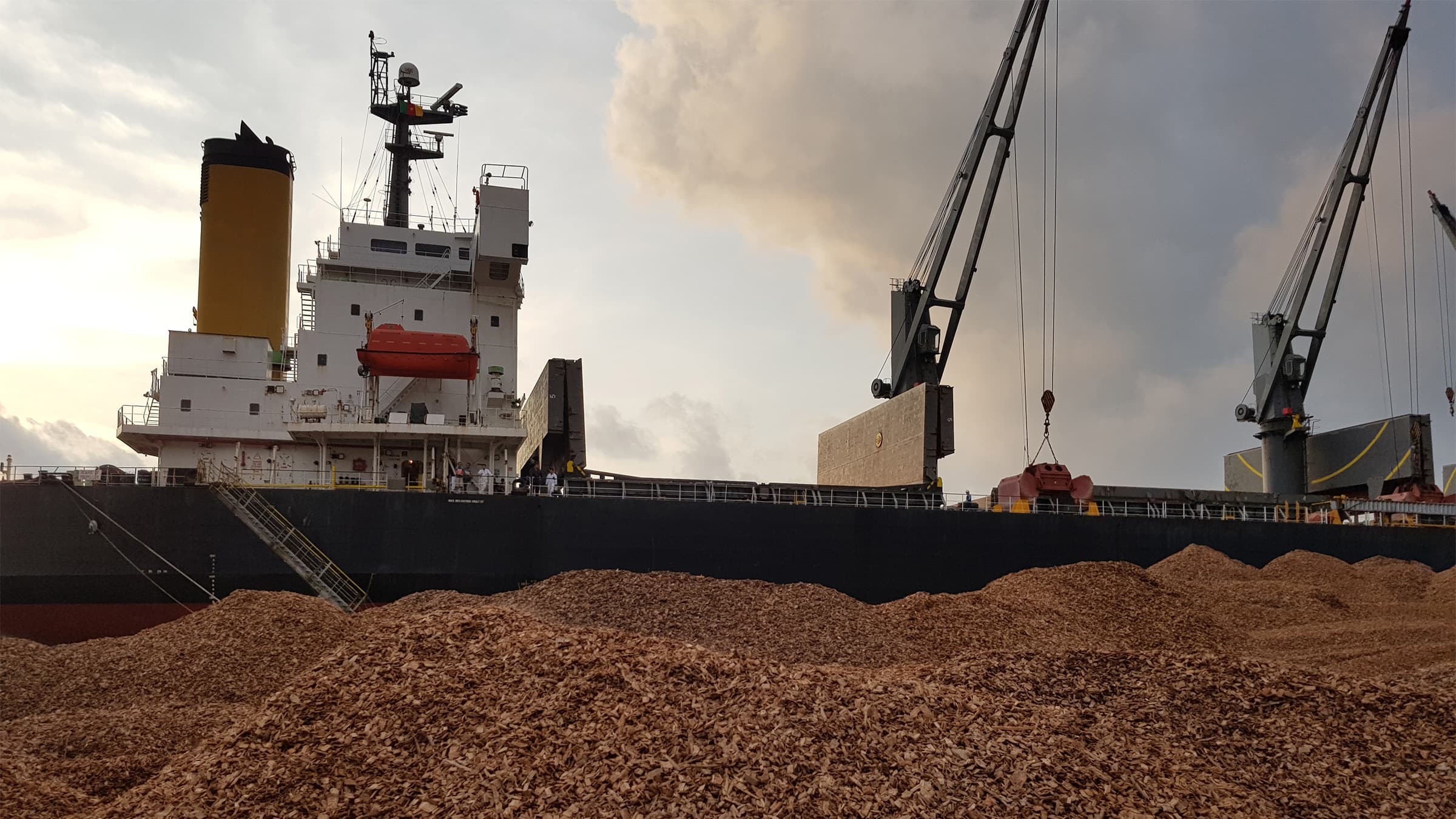
Create buyer-side confidence in a Central African biomass residue pathway for European industrial use. The work required more than identifying available material: it required direct field verification, legality and sustainability evidence, EUDR-focused due diligence, feedstock specification control, GHG/LCA calculation, port and vessel-loading assessment, and a supply contract capable of supporting buyer acceptance.
What we verified
- Reviewed supplier capability, residue availability and origin evidence against European buyer expectations.
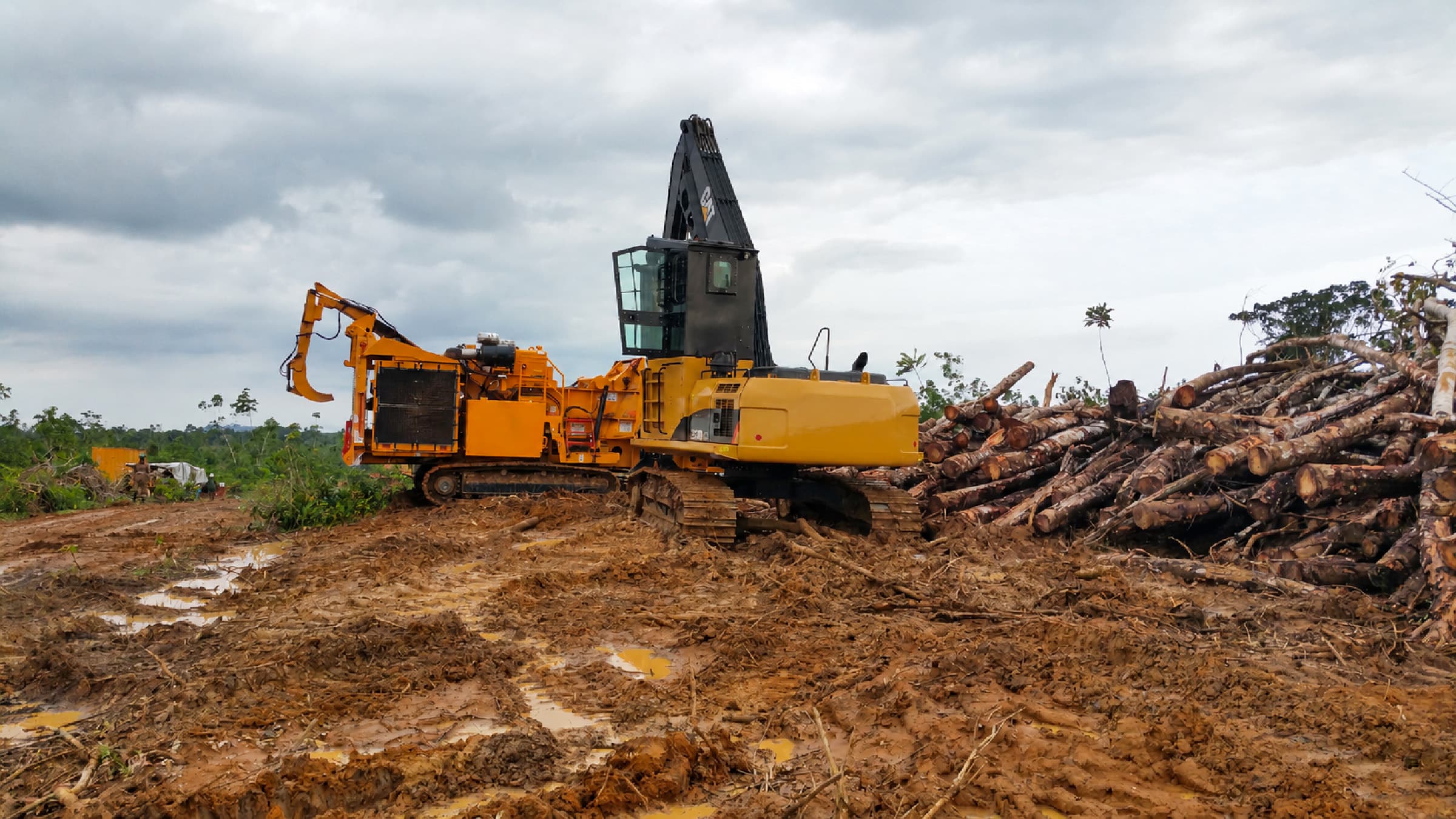
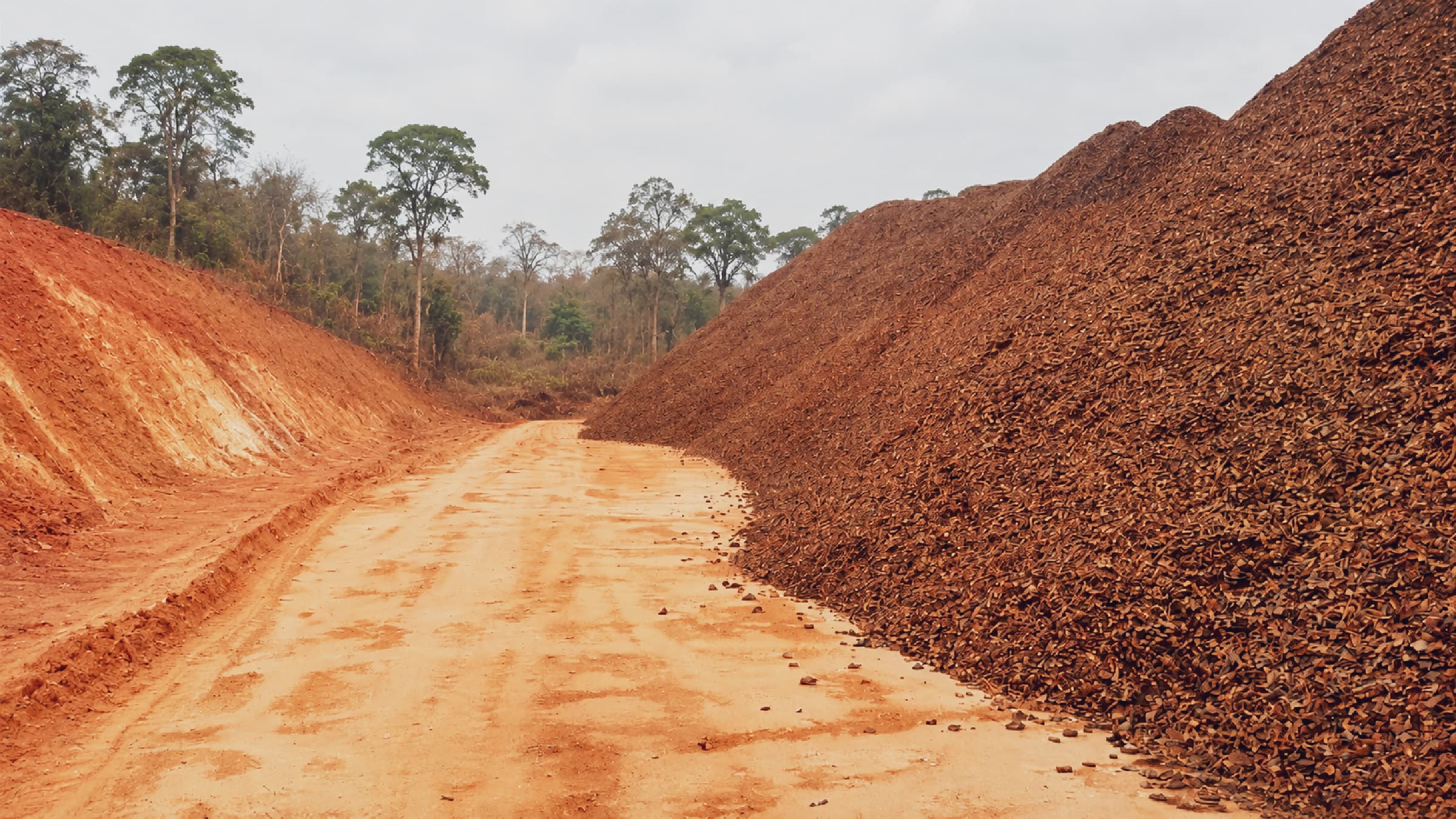
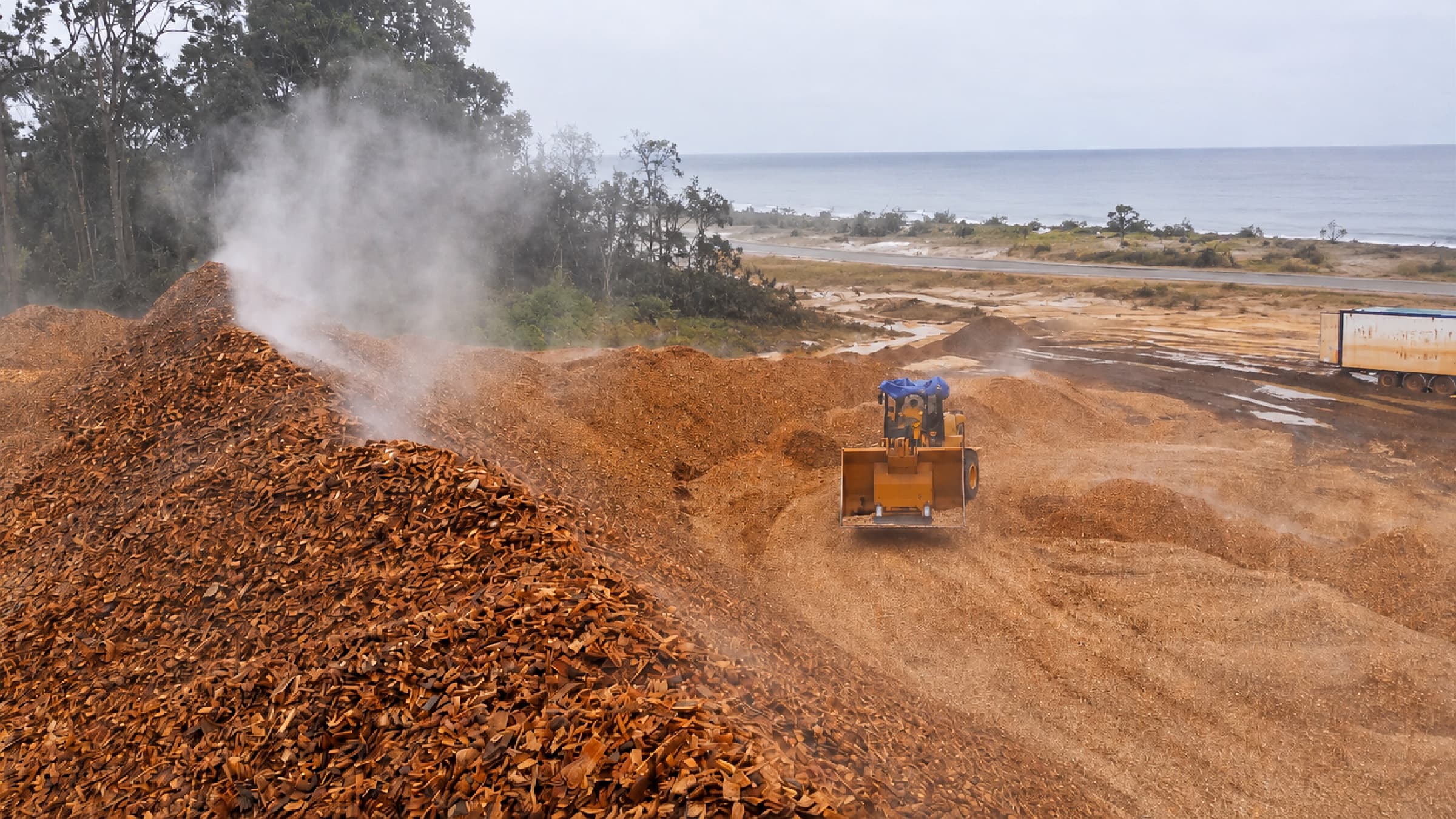
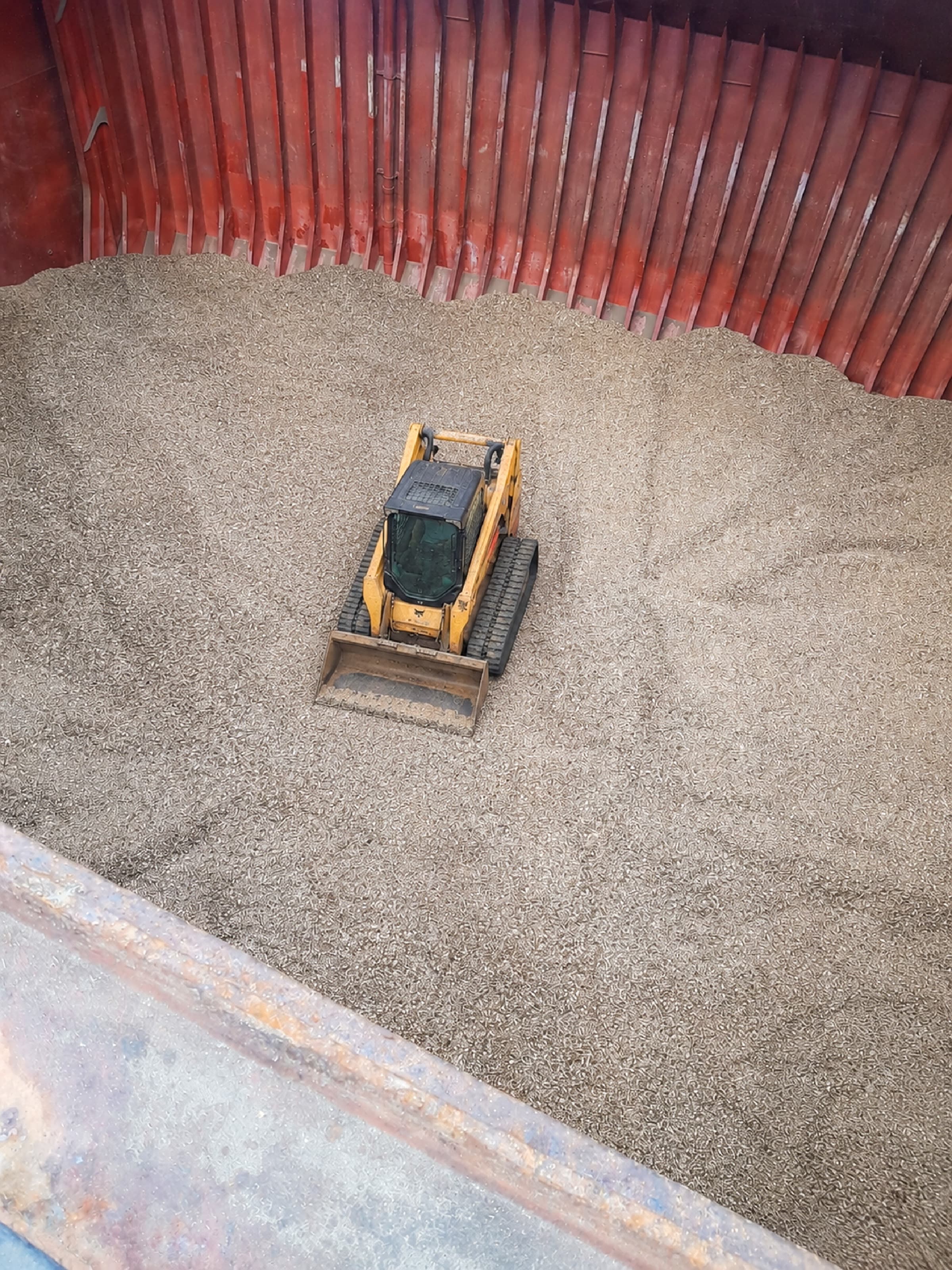
- Conducted on-the-ground checks of residue preparation, storage, handling and contamination risk.
- Assessed legality, sustainability and traceability documentation, supported by an independent third-party EUDR auditor.
- Calculated the GHG/LCA profile of the proposed pathway.
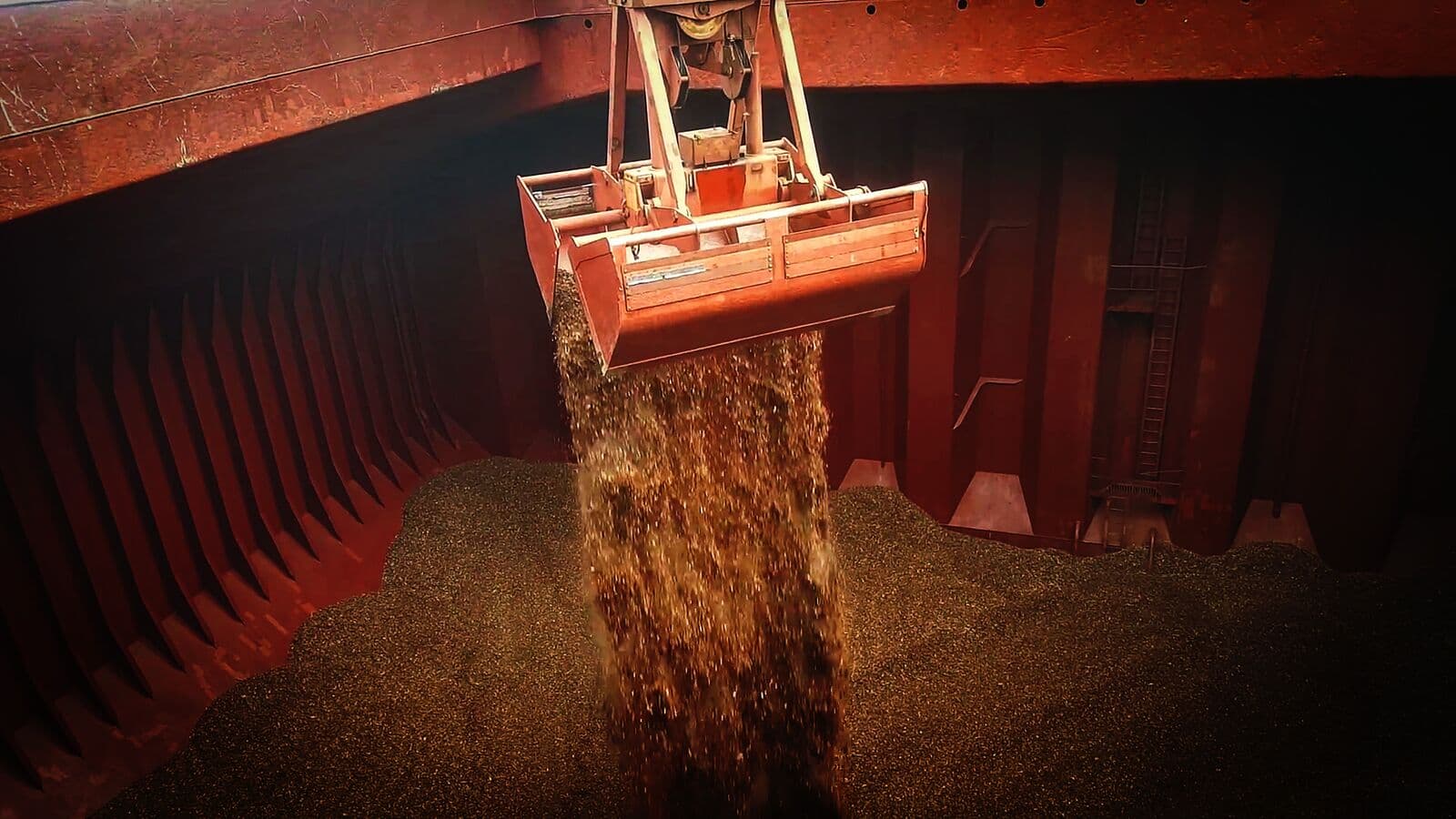
- Reviewed port-side handling, stockpile management, moisture risk, dust risk and vessel-loading practicality.
- Assessed whether the operating chain could support Handymax-scale shipment planning.
- Negotiated the supply contract and tested whether the commercial structure was realistic for buyer acceptance.
Buyer-side diligence approach
European industrial buyers need evidence before commitment. In this case the question was not simply whether biomass residues existed, but whether the supplier base, documentation, traceability, quality controls, port logistics and commercial terms were strong enough for a serious buyer to consider. Our own field audit was supported by an external EUDR auditor, bringing an additional independent review of legality, traceability and sustainability evidence.
Key findings
- Verified the practical conditions required for Central African biomass residues to be considered by a European industrial buyer.
- Identified the main legality, sustainability, traceability, documentation and handling risks before buyer commitment.
- Added independent EUDR-focused scrutiny through a third-party auditor.
- Calculated the GHG/LCA implications of the proposed export pathway.
- Assessed whether supplier controls, port handling and vessel-loading arrangements could support Handymax-scale movements.
- Converted a regional biomass opportunity into an evidence-led buyer-side assessment.
- Negotiated the supply-contract framework needed to move from opportunity to potential execution.
Outcome
This work gave the European buyer a grounded, evidence-led view of whether a Central Africa to EU biomass residue pathway could be made legal, sustainable, traceable, contractable and operationally realistic at Handymax scale. By combining direct field audit, independent EUDR-focused review, GHG/LCA calculation, port and vessel-loading assessment and supply-contract negotiation, the diligence clarified what would be required before the buyer could commit with confidence.