Solutions
Practical support for biomass projects that need to become real.
Biomass Chains helps developers, buyers, investors and project owners solve the hard middle of biomass supply-chain development: the space between an attractive resource idea and a chain that can actually be financed, contracted, shipped, audited and repeated.
Selective mandates
Funded work with a real decision, defined geography, feedstock, volume or buyer context.
Evidence-led
Supplier reality, route logic, compliance evidence, GHG assumptions and execution risk are tested.
Execution-aware
The work is framed around what must happen before tonnes can move without avoidable claims.
Resource idea
Converted into evidence on who controls the fibre, what volume is realistic, and what quality risk sits inside it.
Compliance claim
Converted into origin records, traceability logic, GHG inputs and audit-ready documentation.
Logistics plan
Converted into route cards, port assumptions, parcel sizing, loading practicality and claims controls.
Investment case
Converted into cost build-up, risk allocation, buyer diligence material and decision-ready roadmaps.
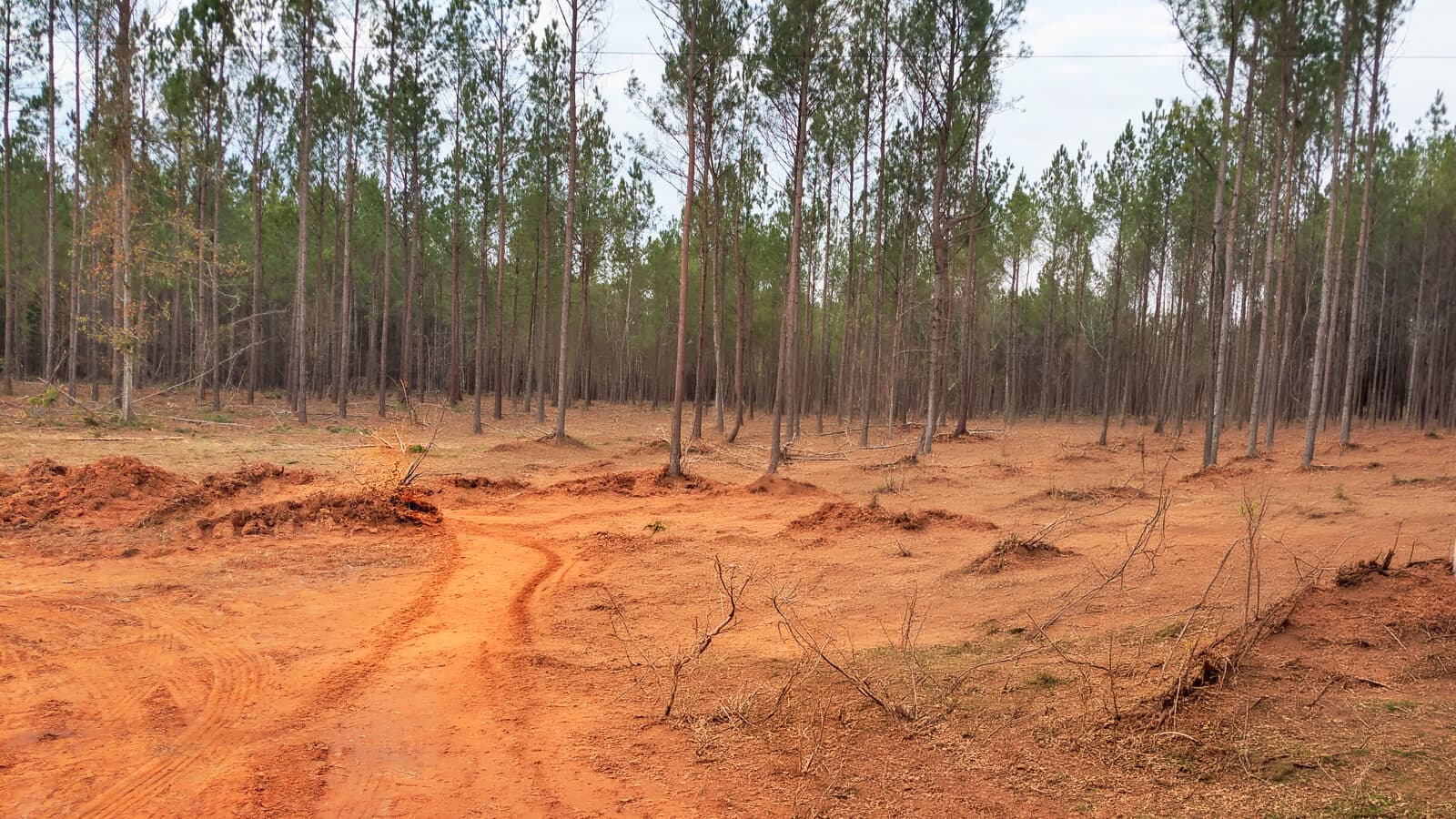
Prove the resource
We test whether the resource is real, accessible, aggregable and commercially relevant before serious capital or buyer attention is committed.
Evidence pack
Make the chain compliant
We structure legality, sustainability, traceability, GHG and certification evidence so the chain can be reviewed, challenged and repeated.
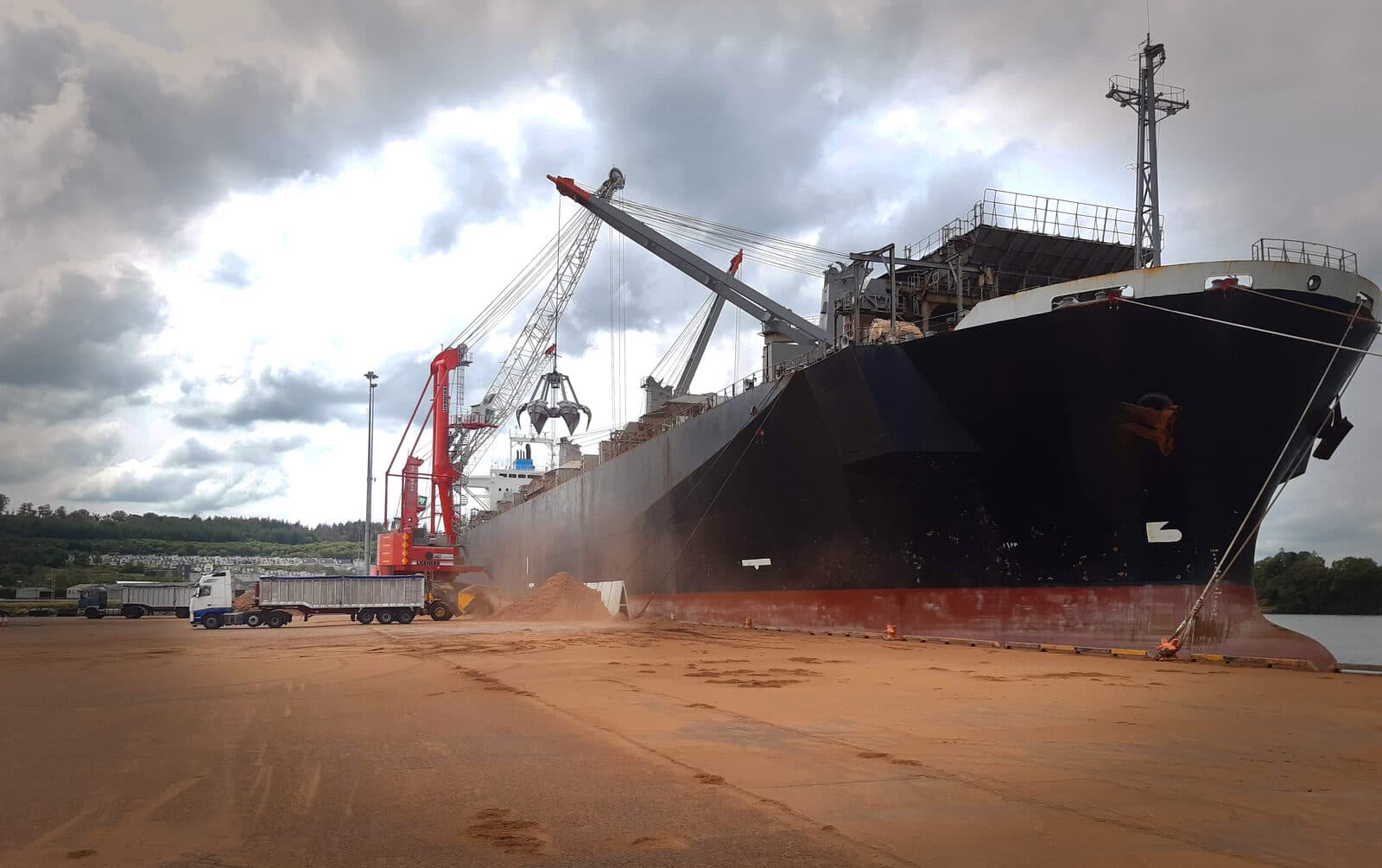
Make the biomass move
We examine the practical chain from forest, farm, mill or yard through road, rail, port, vessel, storage, sampling and buyer receipt.
Investment readout
Make the project bankable
We turn operating reality into decision material: cost, risk, evidence, route logic and a development plan that can support board, IC or lender review.
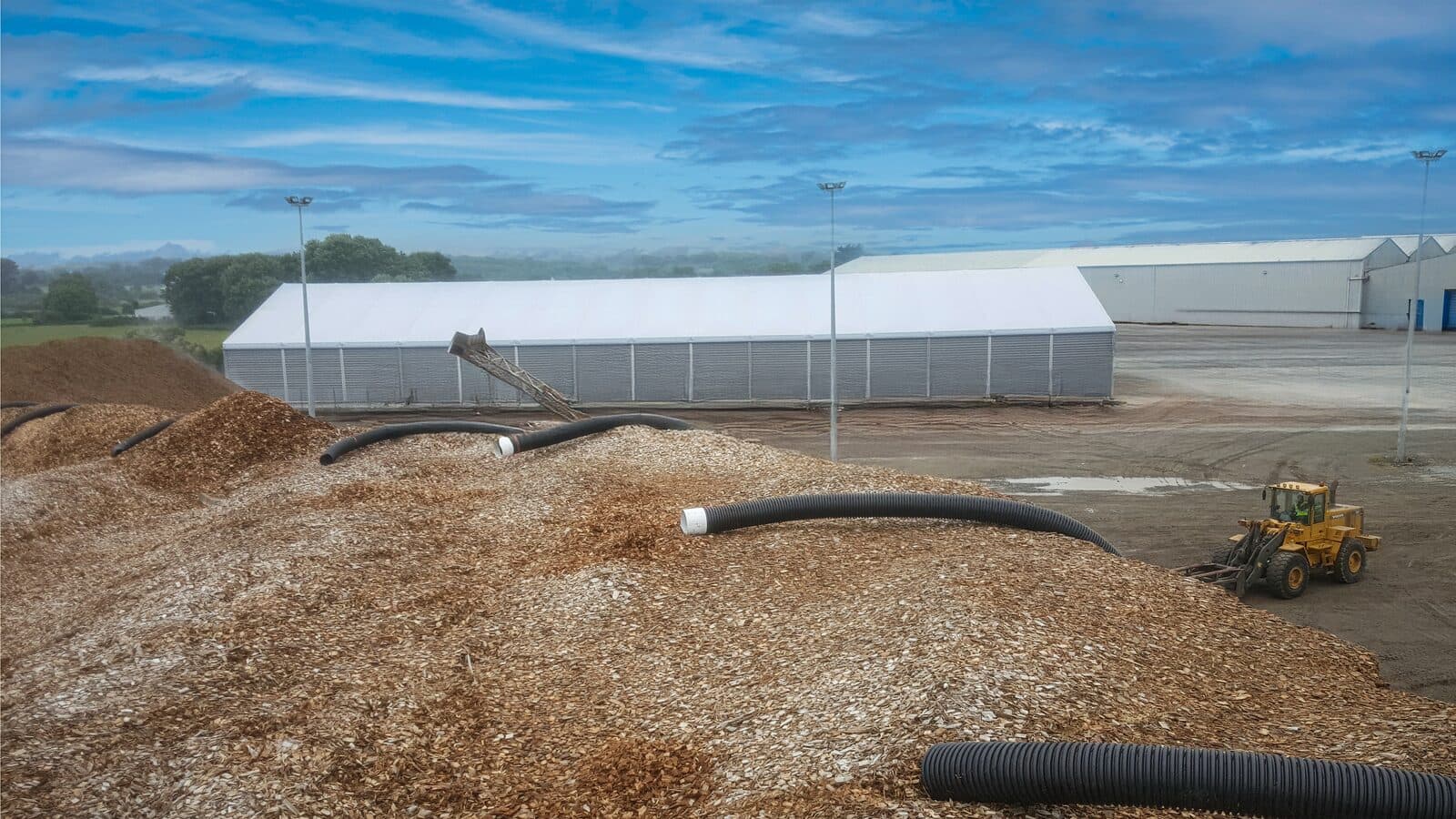
Support execution
We support the move from pilot chain to repeatable supply where clients need hands-on help with counterparties, documentation, shipment readiness and QA.
Engagement shape
Targeted diligence or hands-on chain development.
For serious mandates.
The work is not structured to give away supplier lists, route designs, GHG assumptions, certification views or market-entry strategies without a proper mandate. It is built for parties ready to make decisions on evidence.