Case study
USA Southeast — pellet plant to shovel-ready
Development of a proposed 300,000 t/y wood-pellet facility in Washington, Georgia, taking the chain from pine fibre catchment and site selection through rail, port, shipping, permitting, GHG analysis and execution-ready commercial workstreams.
Challenge
Build a bankable Southeast US wood-pellet project from first principles: prove the fibre catchment, secure a suitable industrial site, define the rail and port pathway, complete environmental and permitting work, and assemble the technical, commercial and logistics package needed for final investment decision.
What we did
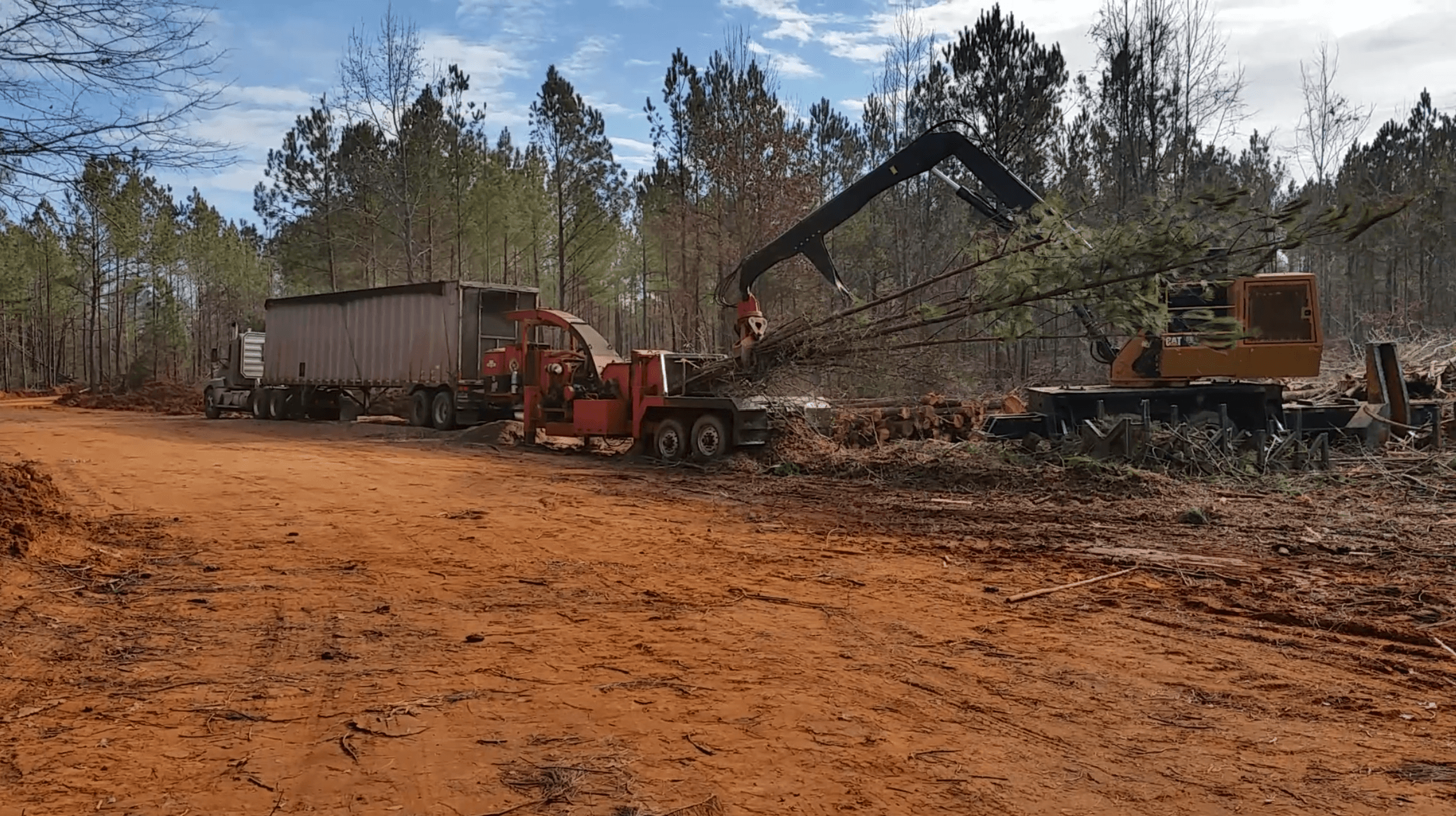
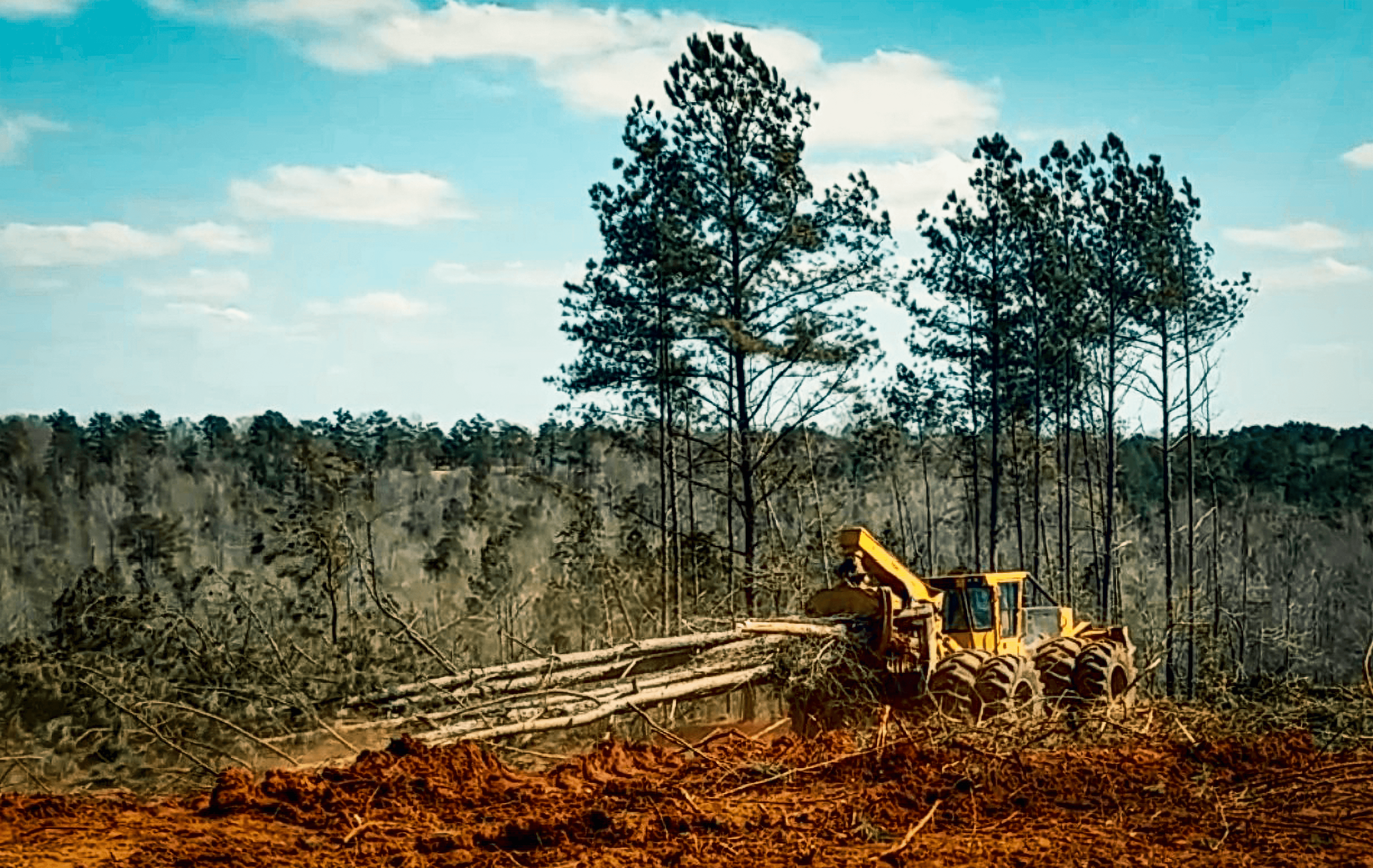
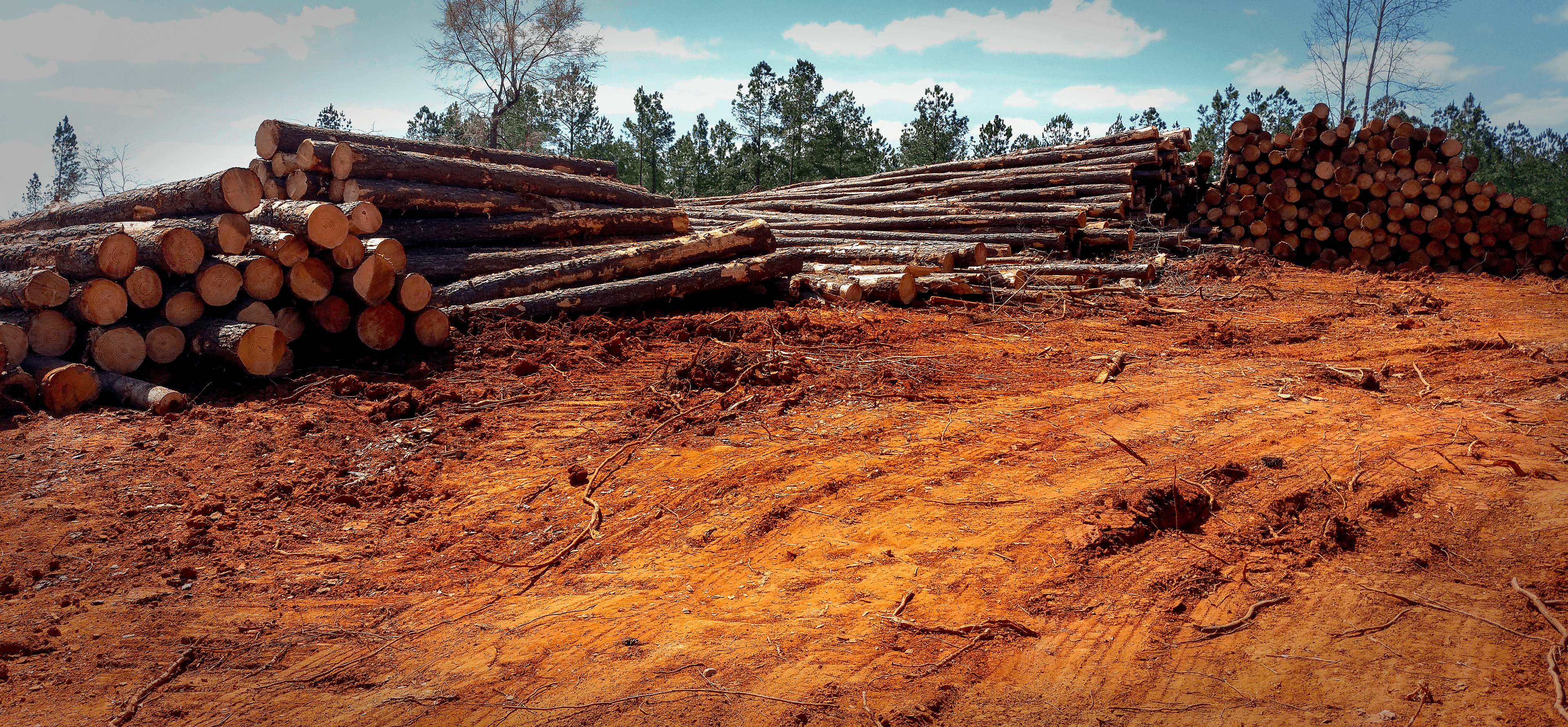
- Assessed the Georgia pine fibre catchment and raw-material mix, including clean chips, whole-tree chips, shavings, sawdust and dryer fuel.
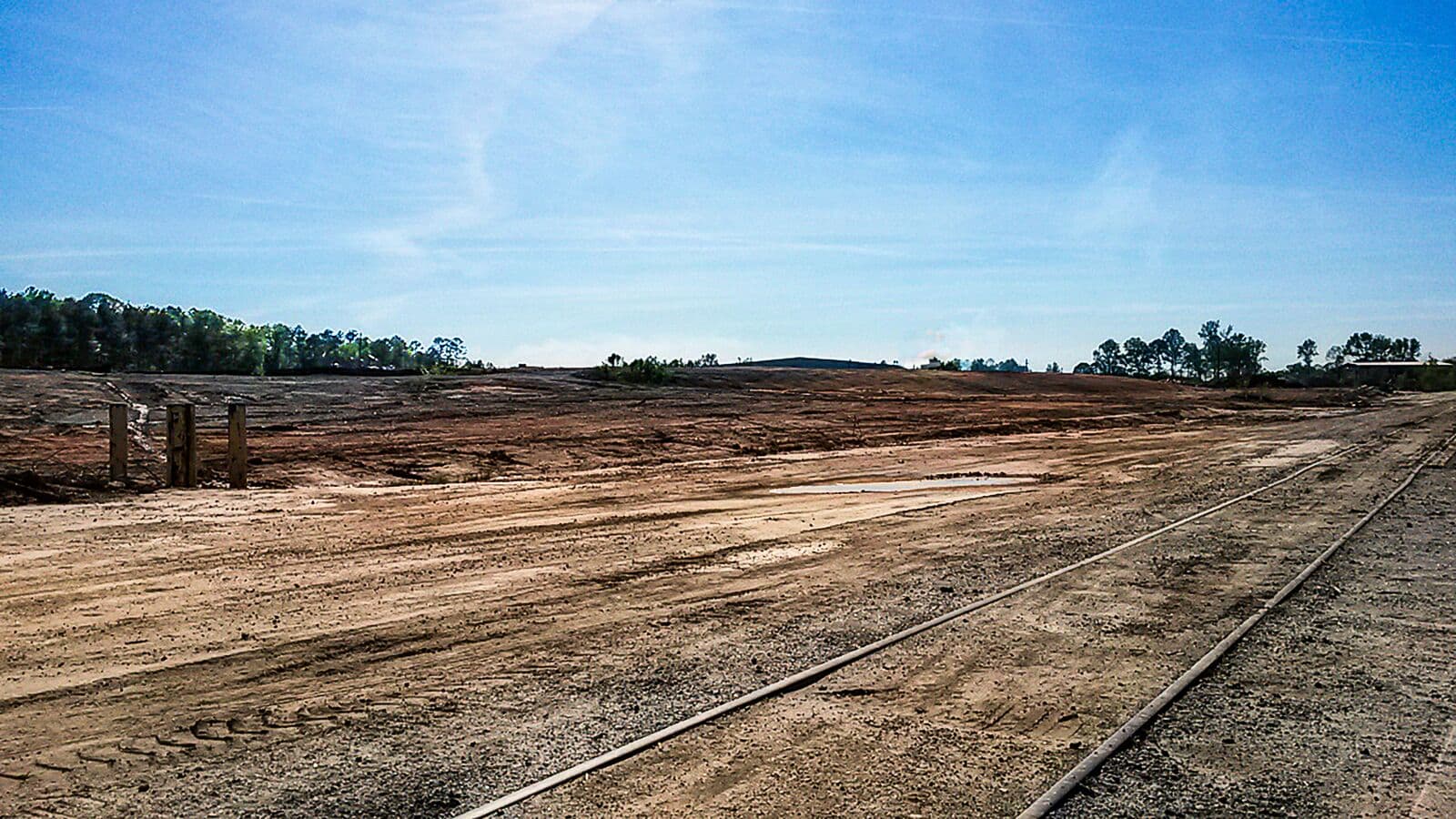
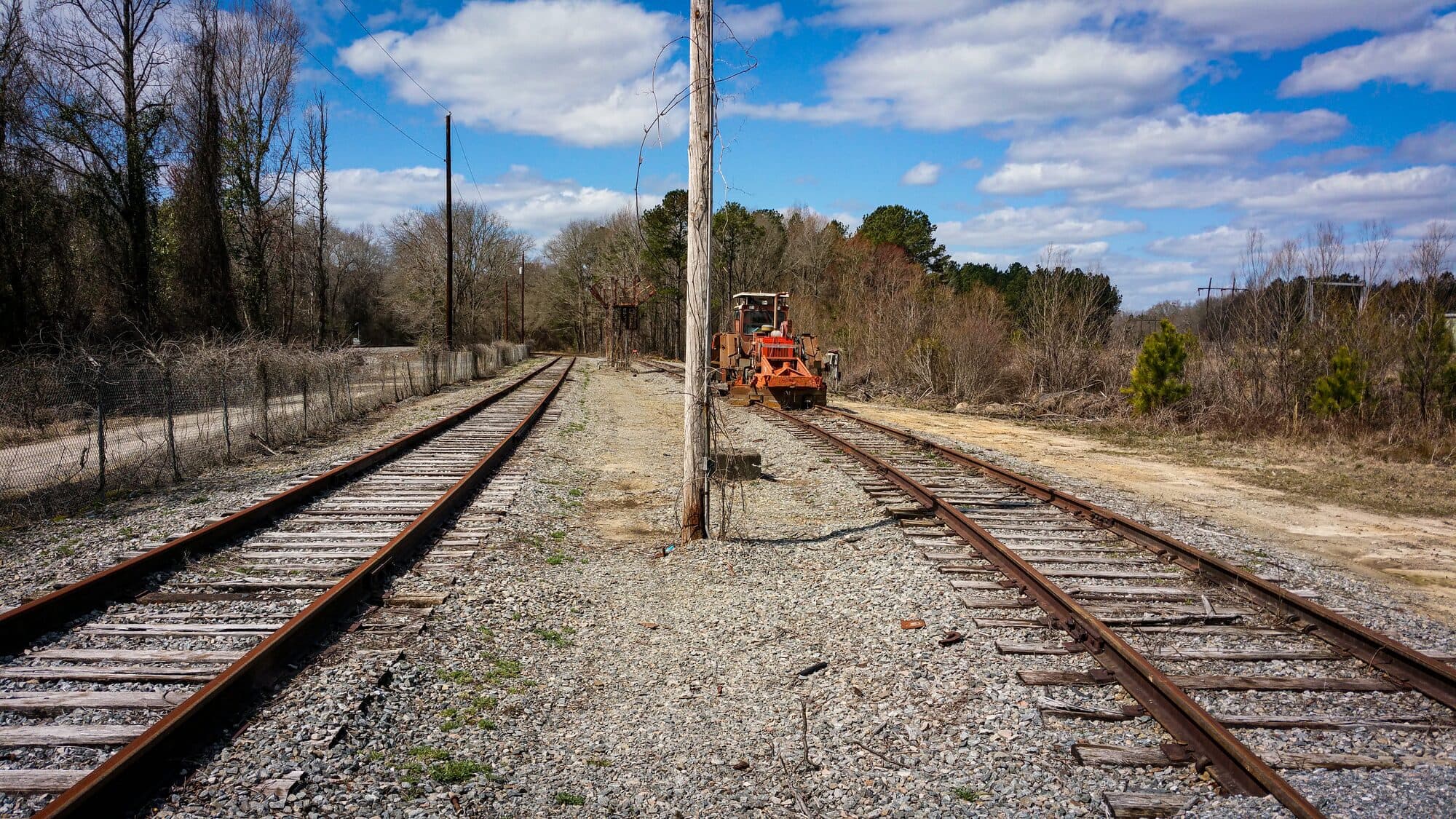
- Advanced a 58-acre Washington, Georgia site with rail-spur access and a route to export port.
- Developed the site, rail-spur and plant-interface concept for a 300,000 t/y pellet facility.
- Built the rail-to-port logistics pathway, including rail-car requirements, port handling and onward ocean-freight assumptions.
- Progressed environmental due diligence, clean-air permitting, GHG analysis and sustainability assessment.
- Advanced commercial workstreams across feedstock supply, EPC, rail, port handling and shipping.
Key results
- Proposed 300,000 t/y pellet facility developed to shovel-ready / approval-ready status.
- 58-acre rail-served site advanced as the preferred development location.
- Fibre supply, rail, port, shipping and receiving-port logistics defined as an integrated chain.
- Environmental and permitting workstreams advanced to support execution.
- Contract workstreams progressed across the full feedstock-to-port chain.
- Project blueprint remained reusable even though the development was paused before construction.
Outcome
A complete development blueprint for an industrial Southeast US wood-pellet plant: feedstock, site, rail, port, shipping, EPC, permitting, GHG analysis, sustainability assessment and commercial execution pathway. The plant was not built, but the work created an approval-ready package and a repeatable model for future biomass infrastructure development.