Case study
West & Central Africa residues
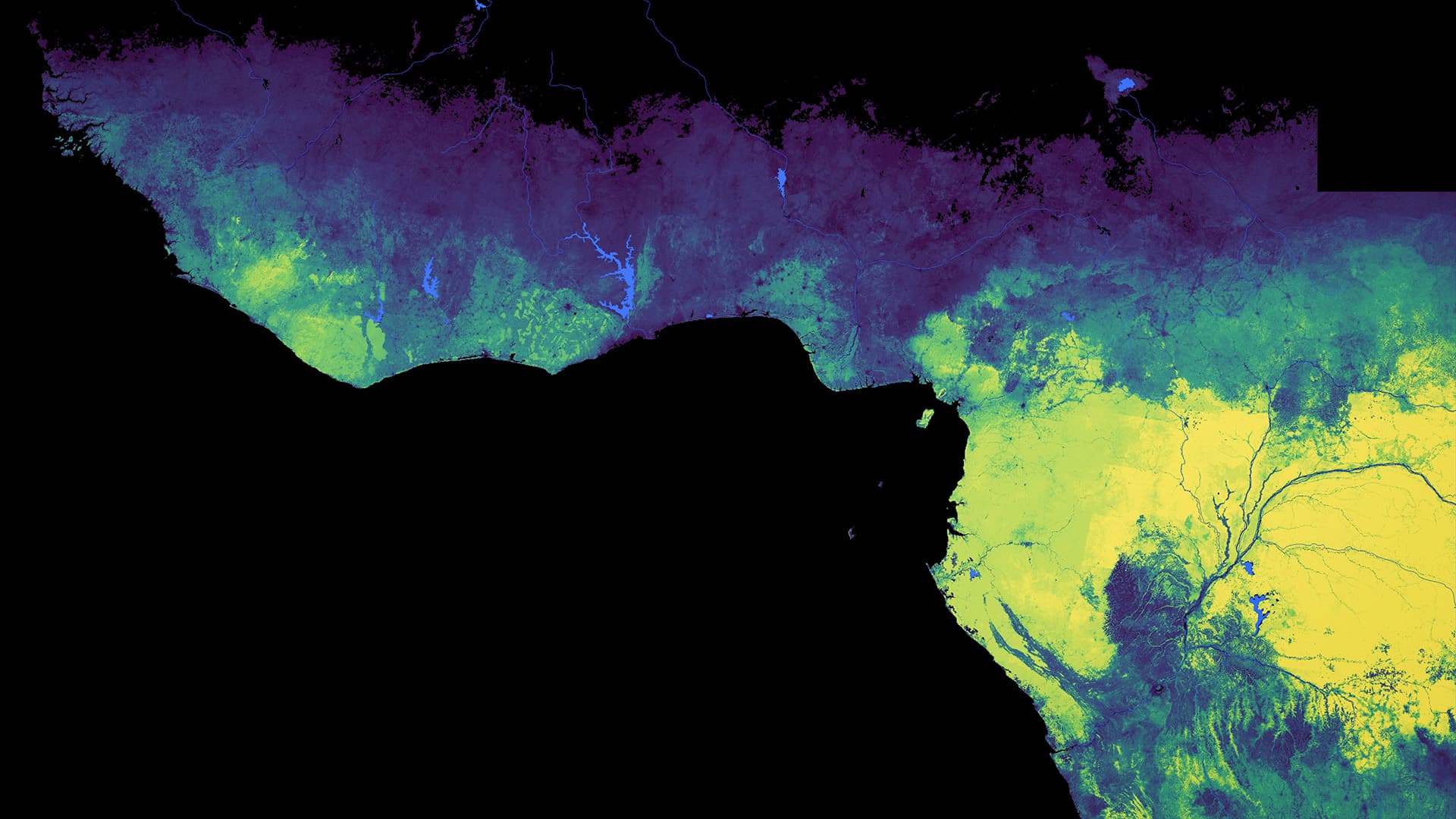
An anonymised origination screen across Western and Central Africa, separating broad residue availability from practical first-cargo potential through risk, sustainability, port access and counterparty-readiness checks.
Challenge
Identify which biomass residues in Western and Central Africa could credibly become large-scale, sustainable import pathways — not just on paper, but through real counterparties, workable logistics, suitable ports, plant-health checks, sustainability diligence and realistic first-cargo planning.
What we did
- Screened 381 companies across 20 countries and nine biomass categories.
- Built a staged funnel from first screening to second screening, shortlist and final potentials.
- Prioritised residues with scale, density, sustainability logic and port access.
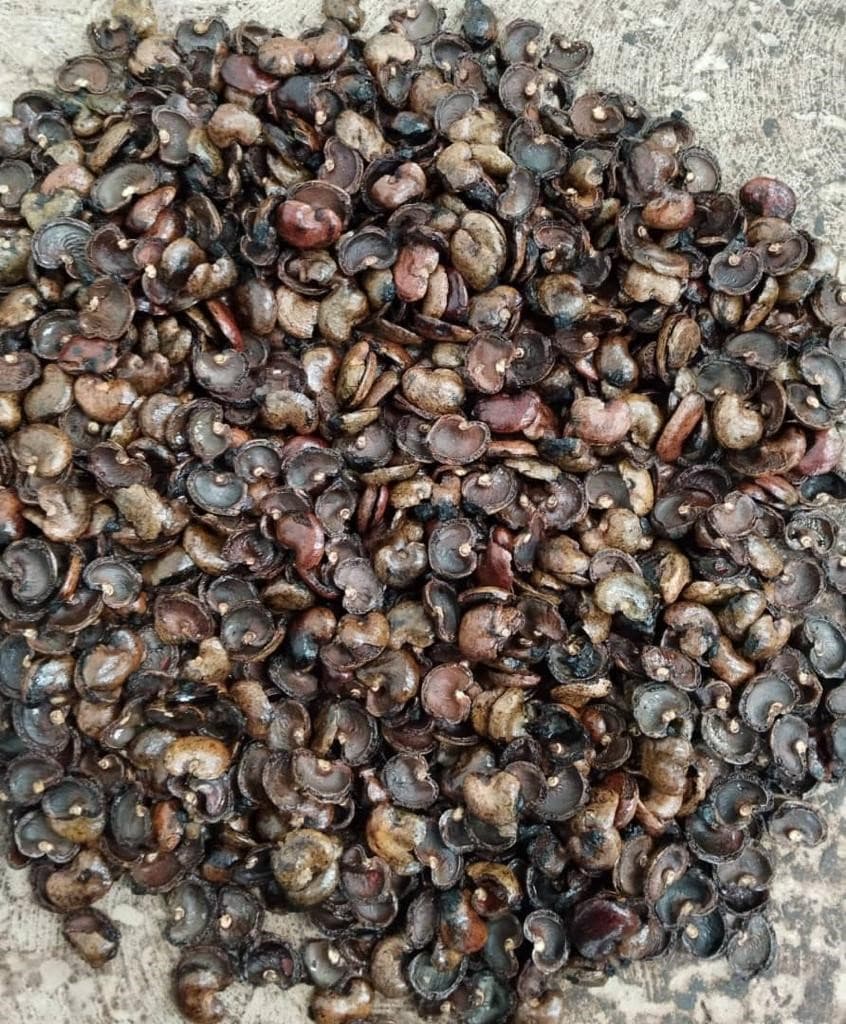
- Focused the final opportunity set on shea cake and de-oiled cashew shell/cake.
- Screened out lower-fit options including RSPO PKS, bamboo, bagasse, cocoa, groundnut, macadamia and inland wood-pellet prospects.
- Developed port, FOB/CIF, aggregation and first-cargo logic for the strongest pathways.
- Framed field due diligence around supplier visits, product samples, port checks, GHG data capture and end-to-end traceability.
Key results
- 381 companies investigated across 20 countries.
- 65 companies passed second screening.
- 23 companies shortlisted.
- 8 final potentials identified.
- Shea cake and de-oiled cashew shell/cake emerged as the strongest realistic opportunities.
- Field-audit plan created to move from desk research to supplier validation, sampling, logistics and GHG assessment.
- Port pathways and contract structures were framed around reducing execution risk, including FOB/CIF options.
Outcome
A ranked origination map for Western and Central Africa that separated theoretical biomass availability from practical first-cargo potential. The work identified shea cake and de-oiled cashew shell/cake as the most credible near-term residue pathways, while defining the due diligence, port, sampling, sustainability and GHG steps needed before any responsible large-scale procurement decision.